


Unlocking Success: Proven Strategies for Building a Brand Community in the Space Industry
Executive Summary
The space industry has entered an era defined not only by technological acceleration but by relational complexity. As commercial actors, government agencies, educators, investors, and global publics converge in the NewSpace ecosystem, success is increasingly determined by trust, alignment, and shared purpose. In this environment, brand community strategy is no longer a marketing enhancement. It is a strategic imperative.
This white paper examines how space organizations can intentionally design, cultivate, and sustain brand communities that transform passive audiences into active participants and advocates. Drawing on real-world examples from NASA, SpaceX, Rocket Lab, Blue Origin, ESA, and others, it outlines a practical, mission-driven framework for community building that supports innovation, credibility, collaboration, and long-term sustainability.
Table of Contents
Introduction: Brand Community as Strategic Infrastructure
In the space economy, branding is often misunderstood as visual identity or public storytelling layered on top of engineering excellence. That assumption is increasingly costly. Space organizations now operate under conditions of intense capital exposure, geopolitical sensitivity, regulatory oversight, and public scrutiny. Under these conditions, reputation, legitimacy, and trust function as strategic infrastructure.
Brand community strategy provides that infrastructure.
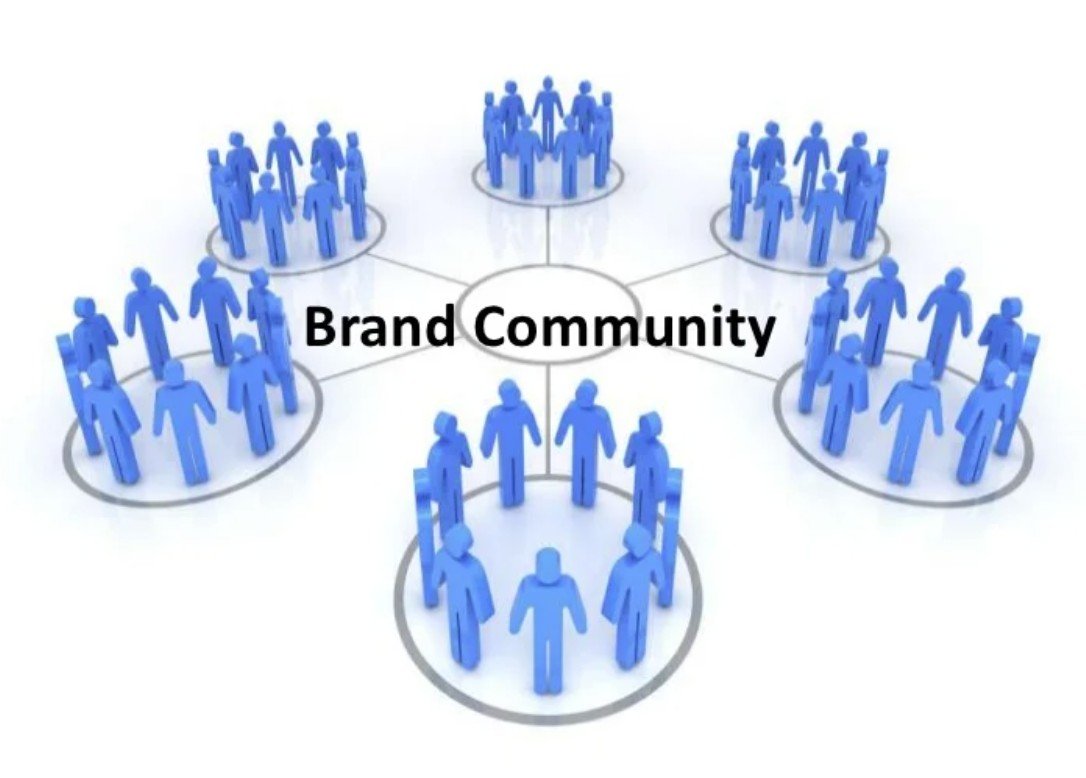
A brand community is not an audience. It is a network of shared beliefs, participation, and contribution. When executed well, it creates gravitational pull around a mission, aligning diverse stakeholders around common values and outcomes. In the space industry, where missions are complex and timelines are long, community becomes the mechanism through which meaning, momentum, and resilience are sustained.
Purpose Before Promotion: Defining the Mission
Every effective brand community begins with purpose. In the space sector, that purpose almost always transcends commercial outcomes. Exploration, scientific advancement, planetary stewardship, and the long-term future of humanity are powerful unifying forces when articulated with clarity and sincerity.
NASA Social offers a compelling example. By providing digital creators, students, and enthusiasts with behind-the-scenes access to missions and milestones, NASA reframed public engagement from observation to participation. The stated purpose, democratizing access to space, transformed everyday citizens into informed ambassadors who carry NASA credibility and enthusiasm far beyond traditional media channels.
Purpose attracts believers, not just followers. Without it, no community can sustain itself.
Audience Intelligence and Strategic Segmentation
The space industry serves one of the most diverse stakeholder environments of any sector. Policymakers, engineers, educators, investors, students, journalists, and enthusiasts each bring different motivations, literacy levels, and expectations.
Brand community strategy demands intentional segmentation.
Rocket Lab demonstrates this discipline through differentiated engagement channels. Technical updates and industry signaling appear on LinkedIn. Educational content and mission explainers live on YouTube. High-level mission recaps and real-time updates are delivered through X. Each channel respects the audience it serves, reinforcing credibility rather than diluting it.
Community strength is built on relevance. Relevance is built on understanding.
Designing the Platform Ecosystem
Community does not emerge by accident. It requires a deliberate platform ecosystem aligned with strategic goals. Whether open or closed, public-facing or professional, the chosen platforms must facilitate meaningful exchange rather than passive consumption.
Rocket Lab Launch Community on Discord illustrates this principle in action. The platform functions as a real-time engagement hub where engineers, educators, investors, and enthusiasts converge. Live discussions during launches, technical Q&A sessions, and shared celebrations of milestones create a sense of collective experience. The result is not simply engagement but belonging.
Platforms define behavior. The right environment encourages contribution, learning, and mutual respect.
Content as a Bridge Between Science and Meaning
Space is inherently complex. Brand communities thrive when organizations invest in content that translates technical achievement into human relevance. Educational explainers, expert interviews, visual storytelling, and community spotlights serve as connective tissue between data and belief.
The European Space Agency “Space for Our Climate” initiative exemplifies this approach. By linking satellite data and Earth observation technology to climate resilience and sustainability outcomes, ESA transformed abstract science into accessible, mission-aligned narratives. Community members do not simply understand what ESA does. They understand why it matters.
In the space industry, content is not promotion. It is interpretation.
Transparency and Trust as Cultural Norms
Trust is the currency of the space economy. Authenticity and transparency convert trust from aspiration into lived experience.
SpaceX has institutionalized this principle through public livestreams of tests and launches. Successes and failures are shared in real time, inviting the global community into the engineering process. This openness transforms technical risk into collective discovery, strengthening emotional investment even when outcomes are uncertain.
Communities do not demand perfection. They demand honesty.
Values, Governance, and Community Health
Sustainable communities require structure. Clearly articulated values and behavioral guidelines protect dialogue quality, ensure inclusivity, and reinforce brand culture.
The Space Generation Advisory Council provides a model for global community governance. Its code of conduct emphasizes respect, diversity, and collaboration across cultures and disciplines. By setting expectations early and enforcing them consistently, SGAC sustains a professional environment that encourages long-term participation.
Culture does not self-regulate. It must be designed.
Empowering Contribution Through User and Expert Content
In the space sector, credibility often resides within the community itself. Engineers, researchers, educators, and citizen scientists bring expertise that enhances institutional authority when invited and recognized.
NASA Open Science initiatives illustrate the power of contribution. Citizen scientists participate directly in research efforts, transforming enthusiasm into measurable scientific value. Participants do not merely support the mission. They become part of it.
Communities deepen when members shift from audience to co-creator.
Recognition as a Catalyst for Advocacy
Recognition reinforces participation and transforms contributors into advocates. Highlighting member achievements, sharing their stories, and offering exclusive opportunities builds loyalty and pride.
NASA Innovators’ Challenge demonstrates this dynamic. By recognizing students, educators, and citizen scientists who develop novel solutions, NASA reinforces the idea that contribution matters. Public recognition, mentorship, and integration into NASA programs convert recognition into long-term affiliation.
Advocacy is earned, not requested.
Community Intelligence as Strategic Input
Brand communities function as living feedback systems. Engagement patterns, sentiment, and discussion themes offer insight into public perception, educational gaps, and emerging opportunities.
Blue Origin Club for the Future uses educator and student feedback to refine STEM programming and outreach strategy. Community insight informs institutional direction, creating alignment between organizational intent and stakeholder expectation.
Listening is not passive. It is strategic.
Partnerships and Ecosystem Expansion
Strong communities extend beyond organizational boundaries. Strategic partnerships amplify reach, relevance, and resilience.
Axiom Space demonstrates this through collaborations with artists and educators, connecting human creativity with orbital innovation. These partnerships expand the narrative of space beyond engineering, inviting broader cultural participation.
Communities grow strongest when they connect ecosystems, not silos.
Measurement and Long-Term Sustainability
Community strategy must be evaluated through depth, not vanity metrics. Engagement quality, mentorship outcomes, educational progression, and collaboration are stronger indicators than follower counts.
NASA Artemis Generation evaluates success through tangible outcomes such as mentorship participation, educational partnerships, and sustained mission engagement. Measurement connects community activity directly to strategic progress.
What is measured shapes what is sustained.
Special Considerations
Building a brand community in the space industry requires a realistic understanding of the resources, leadership commitment, and time horizon involved. Unlike consumer brands, space organizations operate in environments defined by long development cycles, high technical complexity, and constrained human capital.
Effective communities require dedicated staff time for moderation, content development, expert participation, and analytics, as well as budget allocation for platforms, events, and educational assets.
Leadership support is not optional. When senior executives, mission leaders, and subject-matter experts visibly participate in community dialogue, credibility accelerates, and trust deepens. Their absence, by contrast, signals that community engagement is peripheral rather than strategic.
Equally important is patience. Brand communities do not scale on campaign timelines. Meaningful participation, trust formation, and advocacy typically emerge over months and years, not weeks.
Organizations must plan for phased implementation, beginning with pilot programs and core audiences, and evolving through consistent presence, governance refinement, and value delivery. In the space industry, community is not a short-term activation. It is a long-term strategic investment that matures alongside missions, programs, and institutional reputation.
Conclusion: Community as Orbital Advantage
In the space industry, brand communities are not ancillary assets. They are engines of trust, innovation, and legitimacy. When organizations lead with purpose, invite participation, and govern with integrity, they do more than communicate. They mobilize movements.
A well-designed brand community becomes an orbit of belonging, where engineers, communicators, educators, and advocates collectively carry the mission forward. In an industry defined by distance, community creates proximity. In a sector defined by risk, it creates resilience.
Key Takeaways
- Purpose fuels participation when it extends beyond commercial outcomes.
- Trust builds traction through transparency and authenticity.
- Engagement drives advocacy when members are empowered as contributors.
- Community intelligence informs strategy, innovation, and education.
- Connection across sectors strengthens the entire space ecosystem.
- Building a community requires a long-term perspective in resourcing and time.
About the Author
Michael Daily, APR, has been providing strategic communications and branding strategy expertise and support to organizations since 1996. He is the owner of NewSpace Brand Builders, a firm specializing in strategic communications and brand design, strategy, and management within the Space and Defense Industry. You can reach Mike at mike.daily@newspacebb.com
Article photo provided by isdc.nss.org